Two cameras, one rehearsal and a panel that nearly ran long
A short case from the studio: how Callum worked with Morag's regional panel programme, and what changed once camera positions and cueing were agreed before the doors opened.
CR
Callum Reid
5 min read
The request from Morag
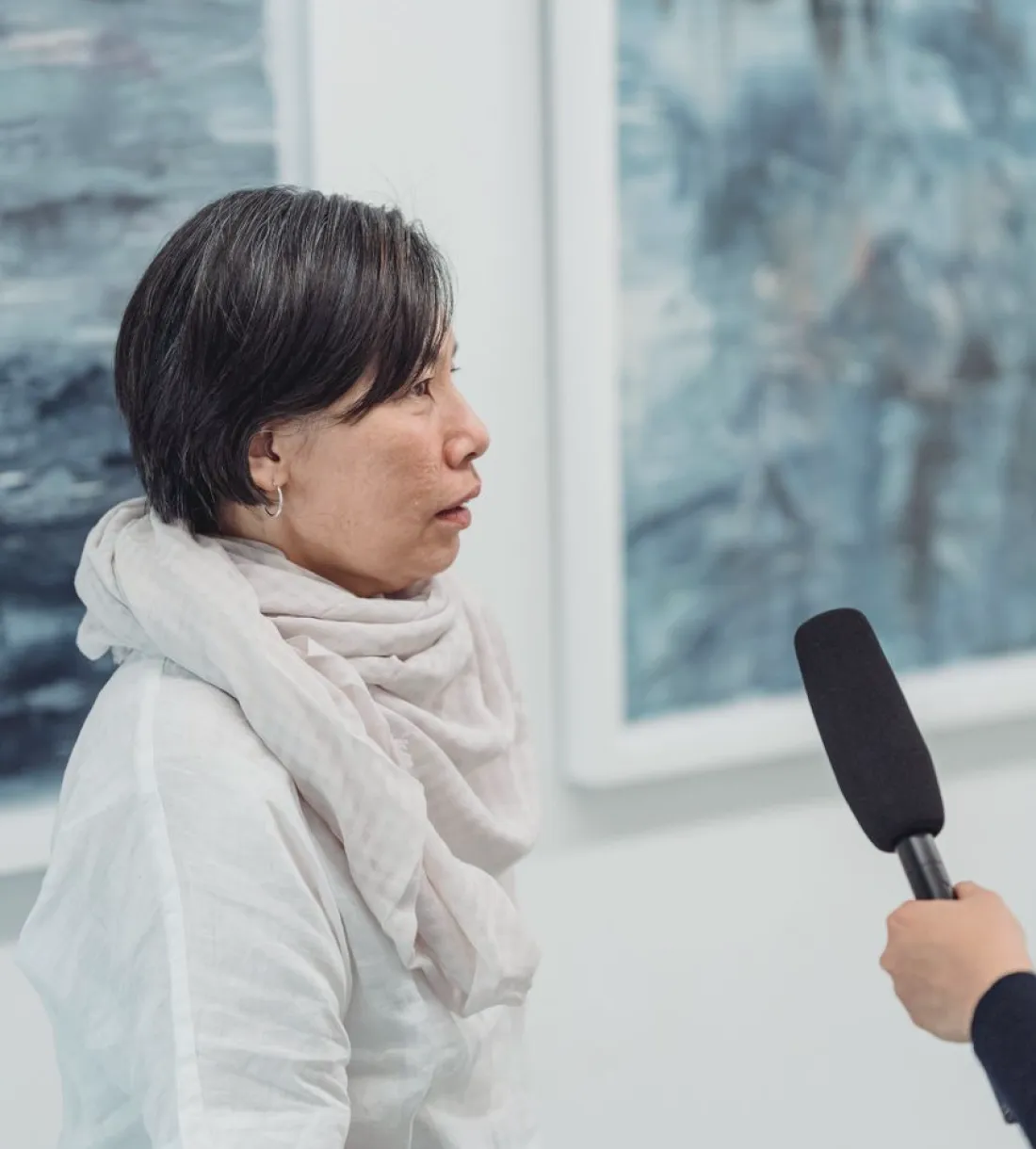
Morag runs a small community programme that records a live panel once a month in a hired hall near Inverness. Her first message to us was short: four guests, one presenter, a studio audience of about forty, and a broadcast slot that could not slip. Her earlier shows had been filmed by volunteers with good intentions and no shared plan, and the edits showed it. Faces were cut off when guests leaned in, the presenter was caught looking for the wrong lens, and the wide shot drifted without a reason.
She asked for one thing above all: a crew who would turn up knowing what each person was meant to do. That is the heart of our camera work, so we agreed to a site visit before quoting anything in writing.
What we saw on the visit
The hall had a raised stage at one end, a fixed curtain behind it and windows along one side. I walked the room with Morag and a tape measure while the caretaker unstacked chairs. The first thing I noticed was that the natural light would change halfway through a recording, so the camera positions had to cope with a colour shift as well as a moving crowd.
The second was the sightline. The panel sat in a shallow curve, and any camera placed centrally would look straight past the two end guests. We marked two positions on the floor with tape, one wide and slightly left, one tighter and to the right, so every speaker would face a lens at some point without anyone having to turn.
Two fixed positions marked before anyone arrived
Window light noted for the second half of the show
Cable runs kept behind the audience seating
Agreeing who shoots what
With two operators, the risk is that both chase the same speaker. We wrote a simple shot plan on one page: the wide camera holds the whole panel and the presenter, while the tight camera takes whoever is speaking and reacts to the presenter's cues. Neither operator moves to a new framing without the director calling it.
I sat in as director for the rehearsal and kept the talkback quiet and short. Morag was surprised at how little was said. Calling a shot by number, rather than describing it, meant the operators could settle into a rhythm within ten minutes. The panel guests barely noticed that the cameras had been placed to suit them.
The rehearsal that saved the evening
We ran a twenty minute rehearsal with Morag's own guests reading from their notes. It exposed a problem nobody had predicted: one guest, Alasdair, gestured widely whenever he made a point, and his hands crossed the tight camera's frame at exactly the wrong moment. We loosened the framing slightly and asked him to keep his gestures lower, which he took with good humour.
We also timed the opening link. Morag's script ran about ninety seconds over, so she trimmed two sentences there and then. A live show rarely recovers lost time later, and settling that in rehearsal meant the programme reached its first question on schedule.
Framing loosened for expressive speakers
Opening link trimmed to fit the slot
Cue words agreed between presenter and director
How the recording went
On the night the doors opened a little late, which the plan had allowed for. The crew was already in position, cameras checked, and the audience settled while Morag had her last cup of tea. The programme began on time and the shot changes landed where we had agreed, with a few small improvisations when a guest laughed or turned to a neighbour.
One moment is worth recording. A question from the audience came from the far side of the hall, and the tight operator found the speaker within a couple of seconds because the position had been chosen with that side of the room in mind. It was not luck, just a camera placed with a reason. The recording finished within a minute of the planned running time.
What Morag changed afterwards
Since then Morag has kept the two position marks in her notes and uses them whenever the programme returns to that hall. She has also begun sending us the guest list a week ahead, so we know who is likely to gesture, who speaks softly and who may need a closer shot. These are small habits, but they come from having seen the process written down once.
What I took from the project is how much of good camera work happens before anyone presses record. A clear plan, a short rehearsal and a director who speaks sparingly did more for the picture than any change of equipment could have done.
Morag's programme did not need a larger crew or new kit. It needed two operators who knew their positions, a director calling shots by number and a rehearsal that found the problems while they were still cheap to fix. If you are planning a panel, interview or bulletin and want to talk through camera positions first, we are glad to visit the room and sketch the plan with you.
Most trouble at a stage broadcast starts well before the first song. Ewan Gordon goes through the slips that cost crews time and sound quality, and how to avoid each one.
Isla Campbell recounts how a community venue's cluttered control room became a tidy, wired-once studio gallery, as told through the work done with Morag, who ran their live streams.
As the dark evenings arrive and the live calendar fills, Isla Campbell explains how to build run sheets, rehearsal slots and backup plans so a show keeps to time.
flairuni plans and runs live television production from Inverness: studio integration, cameras, sound and lighting for news, interviews, concerts and festival stages.