What a Concert and Festival Broadcast Costs, and Why
A plain look at what moves the price of a multi-camera stage broadcast: camera count, kit, crew days, rehearsal time and venue conditions, so you can plan a sensible budget.
IC
Isla Campbell
7 min read
Start with the number of cameras
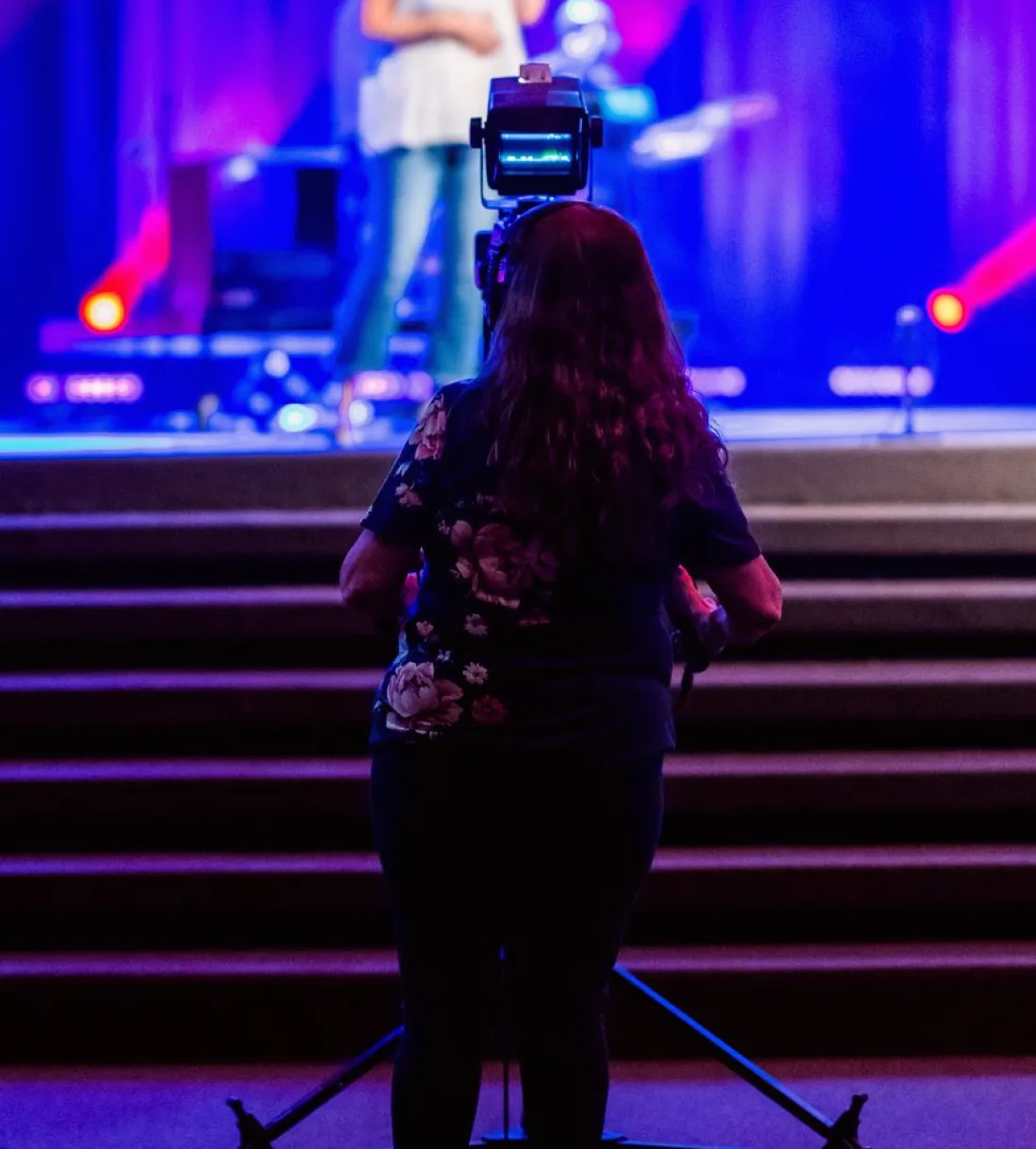
Almost every conversation about cost begins with how many cameras the stage needs, and it is a fair place to start. Each camera brings a body, a lens, a tripod or other support, cabling back to the vision mixer, and usually an operator. A three-camera show of a single band on a small stage is a very different job from a six-camera festival main stage with a wide shot, a long lens from the back of the field and a roaming handheld.
I plan the camera positions with the director before anyone quotes a figure, because the layout decides the rest. A position in the audience area can mean barriers, a raised platform and a steward. A long lens at the back needs a longer cable run or a wireless link, and both add time to the rig day.
It helps to be honest about what the broadcast is for. A recording cut together afterwards can get by with fewer angles than a live feed going out in real time, since a missed shot can be fixed in the edit. Live, every camera has to earn its place.
Wide, mid and close coverage is the practical minimum for a band
Each extra camera adds kit, cabling and an operator
Long lenses and remote positions cost more to rig
Live output needs more cover than a recording
Crew size and days on site
Our crews are small and practised, which keeps the daily rate sensible, but people are still the largest part of most budgets. A camera operator, a director, a vision mixer, a sound engineer and a technical lead are the usual shape of a modest show. Larger stages add a second lighting hand, a runner for cable and a dedicated person on replay or graphics.
Days matter as much as heads. A rig day before the event, a rehearsal or line check, the show itself and the derig afterwards are all paid time, even when the broadcast is only two hours long. Clients are sometimes surprised that the performance is the shortest part of the booking.
Travel and accommodation sit on top when the venue is a long way from Inverness. Highland and island venues can mean an overnight stay for the whole crew, and I would rather you saw that line early than found it on the invoice.
Crew roles scale with the number of cameras and outputs
Rig, rehearsal, show and derig are each charged as time
Travel and overnight stays are listed separately
Outside broadcast kit and what it takes to run
The equipment is the second big block. Cameras, the vision mixer, monitoring, intercom between the crew, and the routing that ties them together all need to arrive, be powered and be tested. For a simple venue with a house network and clean power, the kit list is short. For a field or a car park, we bring distribution, protected cable runs and sometimes a small control position under cover.
Power is a quiet driver. A generator, its fuel and a safe way to run cable across walkways are easy to forget until the site visit, when they become a line in the plan. Weather protection for the cameras and for the people operating them is not a luxury in a Scottish festival season.
Connectivity decides whether the show goes out live. If the feed has to leave the site, we need a dependable uplink, and a backup if the first one fails. A second route costs more, and for a live audience it is usually money well spent.
Power, cable protection and weather cover are budgeted items
A backup route for the outgoing feed adds cost but reduces risk
Smaller sites with house power and network cost less to rig
Lighting and sound change the figure too
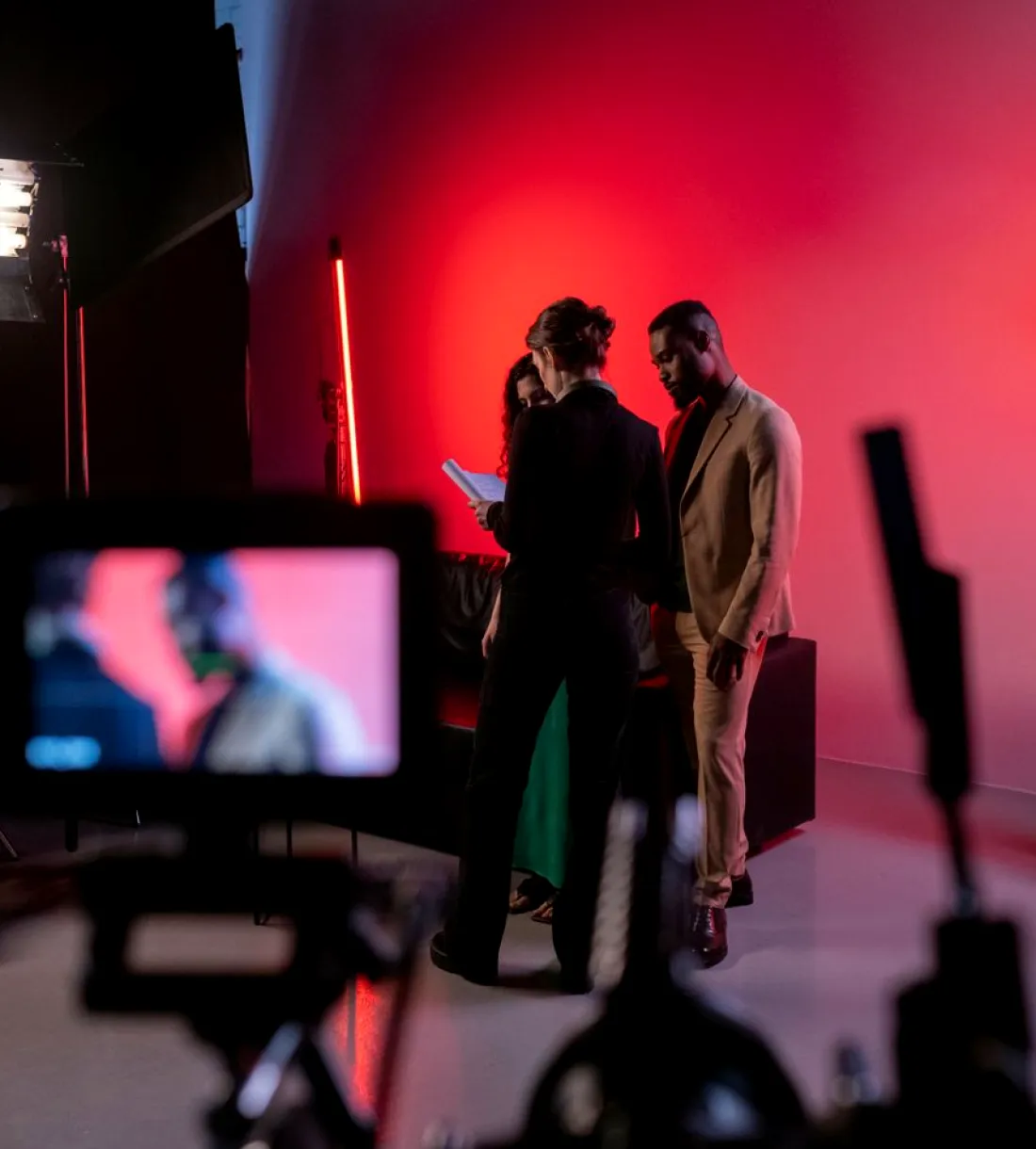
Stage lighting is designed for the audience, and cameras see it differently. Strong coloured washes, deep shadows and moving beams can leave faces unreadable on screen. Sometimes the existing rig works well with a few adjustments from us. Sometimes the cameras need a little extra light on performers, which means more fixtures and more hours of focusing.
Sound is the same story. Taking a feed from the house desk is the cheapest route and often fine for a speaker. For music, a separate broadcast mix, with its own engineer and a split from the stage, sounds better on air and costs more because it is a second job running beside the live show.
I always ask who controls the lighting and the sound on the night. When the venue team is helpful and well briefed, we save time. When several contractors each work to a different plan, rehearsal grows, and so does the bill.
Existing stage lighting may need extra fill for the cameras
A dedicated broadcast mix is a separate engineer and desk
Clear contact between our crew and the venue team saves rehearsal time
Rehearsal, planning and the things people leave out
Planning time is real work and it belongs in the price. A site visit, a run sheet, camera plots, a schedule for the load-in and a plan for what happens if a camera fails all happen before anyone touches a cable. Skipping that stage rarely saves money, because the problems simply move to the day of the show.
Rehearsal is where the director learns the set list and the cameras learn where the performers actually stand. A soundcheck-only rehearsal gives a quick look. A full run with the performers gives a much better show, and it needs the crew for longer.
The items people leave out are usually modest ones: parking and access for the vehicle, permission to rig, insurance or permits the venue requires, and a place for the crew to eat. They are small on their own and noticeable together, so I list them in the quotation.
Site visit and planning are part of the work, not an extra
A full rehearsal with performers improves the show
Access, permissions and welfare for the crew are worth settling early
How to keep a broadcast budget sensible
The most useful thing a client can do is tell us the purpose of the broadcast, the audience, the date and the venue conditions as early as possible. With those four facts we can suggest a camera plan that covers the performance without paying for angles nobody will use.
It also helps to decide what is essential and what is nice to have. A tight three-camera show with a clean mix often looks better than a six-camera show that was rushed. Where a budget is fixed, we would rather reduce the scope in the open than cut rehearsal and hope.
Our prices page gives the starting point for each service. A written quotation follows your enquiry, and it names what is included and what would change it. If the venue turns out to differ from the description, we say so and revise the quotation before anything is confirmed.
The price of a concert or festival broadcast comes down to cameras, crew time, kit, power, connectivity, rehearsal and the conditions at the venue. None of it is mysterious, and most of it can be settled in one conversation and a site visit. Send us the date, the stage and what you want the audience to see, and we will answer with a written quotation that shows where each pound goes.
Two lighting options for a presenter set compared on colour, heat, power and camera behaviour, with the choice we would make for most small studios planning live work.
A short case from the studio: how Callum worked with Morag's regional panel programme, and what changed once camera positions and cueing were agreed before the doors opened.
Mid autumn is the quiet window to check routing, monitoring and intercom before winter programmes, concerts and Christmas broadcasts fill the diary. Here is how we would spend those weeks.
flairuni plans and runs live television production from Inverness: studio integration, cameras, sound and lighting for news, interviews, concerts and festival stages.