
What a Camera Crew Costs and What Moves the Price
A plain breakdown of how camera operation and direction is priced for interviews, bulletins and stage events, and which choices make a booking cheaper or dearer.
6 min read

Why the price is not one number
People often ask for a day rate for a camera crew, and we understand why. A single figure is easy to compare. The trouble is that two bookings with the same length can need very different amounts of preparation, equipment and people, so a single figure hides most of what you are paying for.
Our prices page gives the starting points for camera operation and direction, and a written quotation follows once we know the shape of the job. This article explains what sits behind that quotation, so you can see which parts are fixed, which are your choice, and where a small change in the plan saves real money.
I am writing this as the person who builds the technical side of most quotations. The reasoning is the same every time: count the people, count the cameras, count the hours on site, then add the preparation that makes the live part run smoothly.
Crew size is the largest part
The biggest driver is how many people stand behind the cameras. A single presenter interview can run with one operator and a director who also cuts the vision. A news bulletin with a presenter, a guest and a set usually wants two operators and a separate director so that someone is watching the whole picture.
A concert or festival stage is different again. Each camera position needs its own operator, and the director needs a clear view of every feed. Adding a camera is not just the cost of one more person. It means another cable run, another monitor in the gallery and another voice on the intercom to manage.
When a client asks us to trim the budget, reducing the camera count is usually the first conversation. We would rather suggest three well-placed cameras than five stretched ones, and we say so plainly when a plan is too thin for the room.
- One operator and a director suit a simple seated interview
- Two operators and a director suit a bulletin with a guest
- Stage events need one operator per camera position
Hours on site, not hours on air
A programme that goes out for thirty minutes does not cost thirty minutes of crew time. The crew arrives before the cameras can be switched on, builds and tests the positions, checks framing against the lighting, and rehearses at least the opening and the transitions. After transmission there is a derig that takes its own time.
We price the full call, from arrival to departure, because that is the time the crew is committed to your job. A short live slot with a long setup costs more than people expect, and a series of programmes recorded back to back in one day costs much less per programme than the same programmes spread over separate days.
If your venue lets us set up the evening before, or leave the cabling in place between sessions, tell us early. Those arrangements can shorten the paid call considerably and are among the easiest savings to arrange.
Equipment, travel and location
Our crews can bring their own cameras, tripods and cabling, or work with kit already installed in your studio. Using what is already there is normally cheaper, but we will check it first, because a camera that is fine for a conference stream may not suit a live broadcast with a fast-moving presenter.
Location matters as well. A job in Inverness itself needs little travel time. A festival field or a venue several hours away adds travel hours, possible overnight stays and more careful loading of the van. Long cable runs outdoors and weather protection for cameras also add time to the build.
We list these items separately in the quotation rather than folding them into a headline figure. That way you can see exactly what the location adds and decide whether a different venue or a different date would suit your budget better.
- Your own kit on site lowers the equipment line
- Distance adds travel time and sometimes accommodation
- Outdoor stages need extra protection and longer cable runs
Direction, rehearsal and planning
Direction is part of the price, not an extra on top. A director calls the shots, keeps the camera operators informed and makes the live decisions when something unplanned happens. On a simple recording this role is light. On a live multi-camera show it is the person holding the whole production together.
Rehearsal is where much of the quality is won. A run through with the real presenters, the real set and the real running order lets us find the awkward camera move or the unclear cue before anyone is watching. We always advise at least a partial rehearsal for live work, and we price it honestly rather than hiding it.
Skipping rehearsal does reduce the quotation, and some very simple jobs genuinely do not need one. For anything with several cameras or a tight running order, we would not recommend it, and we will tell you that rather than just removing the line.
How to get a sound quotation quickly
The fastest route to an accurate figure is a short, honest description of the job. Tell us the type of programme, the number of presenters or performers, the venue, the length of the live slot and any rehearsal time you can offer. Photographs of the room help us judge camera positions before we visit.
Send those details through the contact page and we reply with a written quotation. Once you confirm it in writing, we issue an invoice that is paid by bank transfer. Cancellations and refunds follow the payment and refund policy, which is written in plain terms.
If the first figure is higher than you hoped, ask us what could change. Fewer cameras, a shorter call, a closer venue or recording in blocks are all real levers, and we would much rather adjust the plan with you than see a good programme squeezed at the last moment.
- Programme type and number of people on camera
- Venue, with photographs if possible
- Length of the live slot and rehearsal time available
Camera work is priced by people, hours, equipment and place, and each of those can be discussed. Knowing what drives the figure puts you in a better position to plan a show that fits your budget without weakening the picture. If you are weighing up a bulletin, an interview series or a stage event, send us the details and we will put a clear written quotation in front of you.
Further reading from the Journal
-
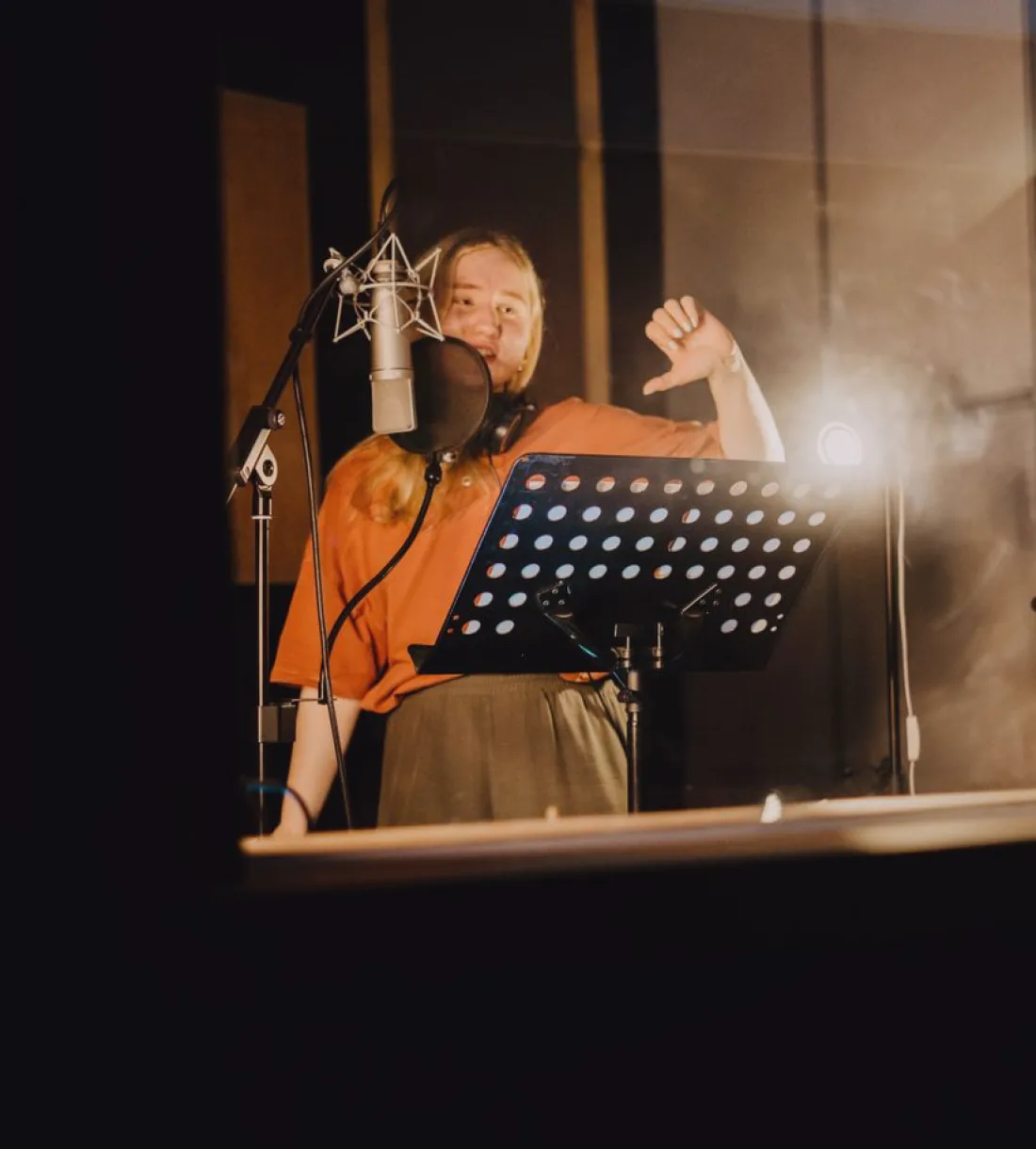
Getting clean speech on air: a practical guide to room treatment
A step-by-step walk through taming a studio or hall before the first microphone goes up, so presenters and guests sound clear without heavy fixes in the mix.
-
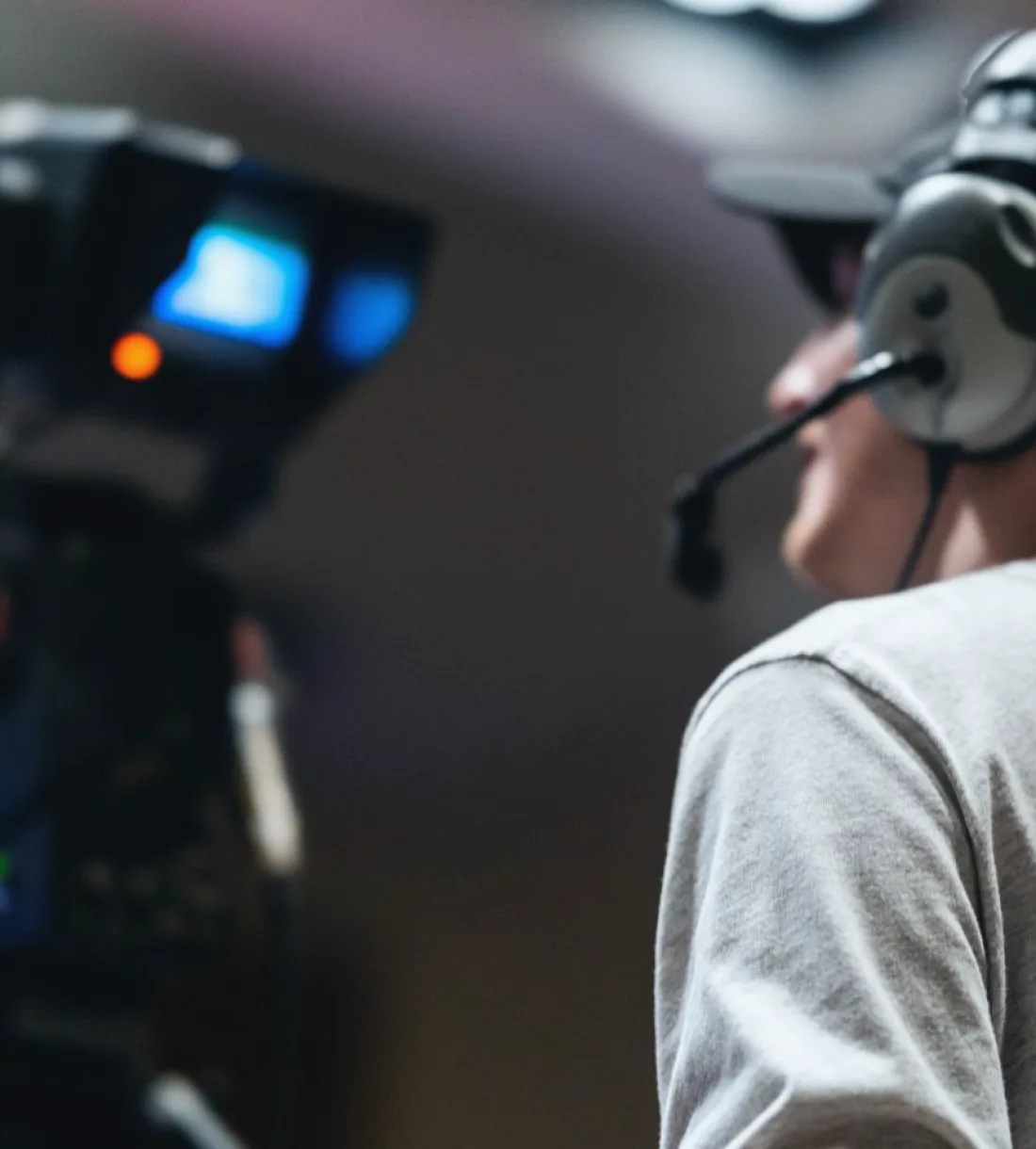
The Paper and Software Behind a Live Show That Runs to Time
Ewan Gordon describes the run sheets, rehearsal plans and backup lists the team uses to plan a live broadcast, and why a plain document often does more than clever equipment.
Get in touch
- Phone
- 01463 725418
- Write to us
- hello@flairuni.net